
Introduction
Piles, also known as hemorrhoids, are swollen veins in the rectum and anus that can cause discomfort, pain, and even bleeding. They are a common condition affecting people of all ages, often linked to factors like constipation, prolonged sitting, and poor diet. While piles are not life-threatening, they can be uncomfortable and impact daily life. Understanding how piles form, their causes, and ways to prevent them can help manage and reduce the risk of this condition. In this blog, we’ll explore the reasons behind piles, risk factors, and practical tips for prevention.
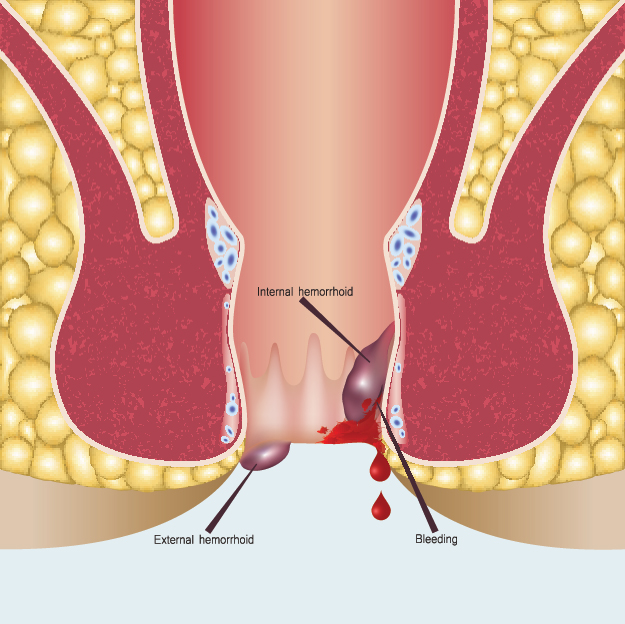
How Do Piles Form?
1. Chronic Constipation & Straining
2. Prolonged Sitting or Standing
3. Low-Fiber Diet
A diet low in fiber makes stools harder and more difficult to pass, increasing the risk of constipation and piles. A fiber-rich diet helps in smooth bowel movements, reducing strain on the rectal veins.
4. Pregnancy
5. Obesity & Weight Gain
6. Lack of Physical Activity
7. Chronic Diarrhea
8. Aging
As we age, the tissues supporting the rectal veins become weaker, making older adults more prone to developing piles.
How to Prevent Piles?
✅ Eat a High-Fiber Diet – Include fruits, vegetables, whole grains, and legumes to keep stools soft and prevent constipation.
✅ Stay Hydrated – Drink plenty of water to promote healthy digestion and avoid hard stools.
✅ Avoid Straining – Don’t push too hard during bowel movements. Go when you feel the urge.
✅ Exercise Regularly – Physical activity helps regulate bowel movements and reduces pressure on rectal veins.
✅ Limit Sitting Time – Avoid sitting for too long, especially on the toilet. Take breaks to move around.
✅ Maintain a Healthy Weight – Losing excess weight can relieve pressure on the lower rectum.
✅ Practice Good Toilet Habits – Avoid delaying bowel movements and use soft toilet paper to prevent irritation.
Conclusion
If you experience persistent pain, bleeding, or discomfort, it’s best to consult a doctor for proper diagnosis and treatment.
What Are Piles?
Piles are swollen or inflamed veins around the anus or lower rectum. They can be internal (inside the rectum) or external (under the skin around the anus). Piles can vary in size and severity, ranging from mild irritation to painful lumps.